-
Pawar HospitalPawar Hospital (+91) 9175898623
-
Spire HospitalSpire Hospital (+91) 9175983868
-
Book AppointmentBook Appointment
Dr. Gaurav Pawar is a well established Hip and Knee joint replacement and sports injury (Arthroscopy) surgeon. He has eight years of experience in Trauma & Orthropaedics and has gained considerable knowledge and espertise in this field during this period. He has also worked in Trauma and Orthopaedics in the NHS system in UK for 3 years at reputed hospitals like Royal Free Hospital,London, Chase Farm Hospital, London and Tameside Hospital, Greater Manchester. He has performed numerous joint replacement and arthroscopy surgeries during this period and is well versed with the latest surgical techniques. He has also presented and published many papers at national and international stages.
Sports Injury
Sports Injury
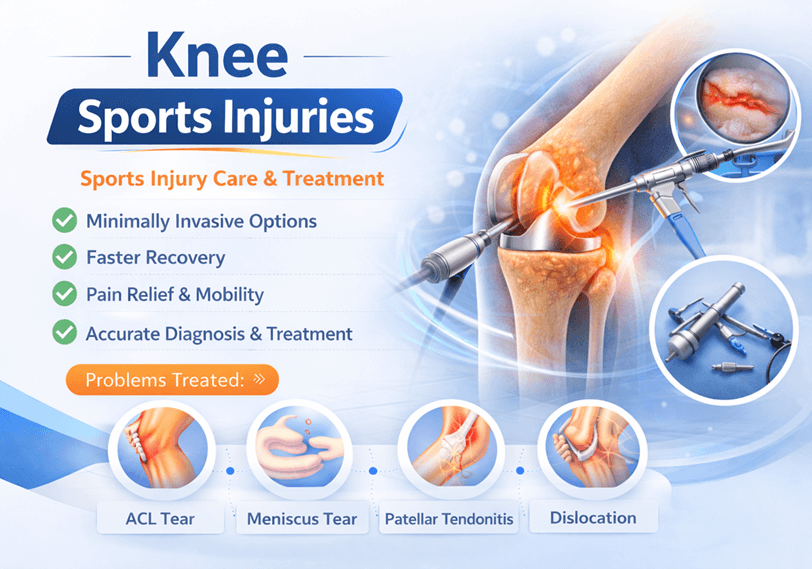
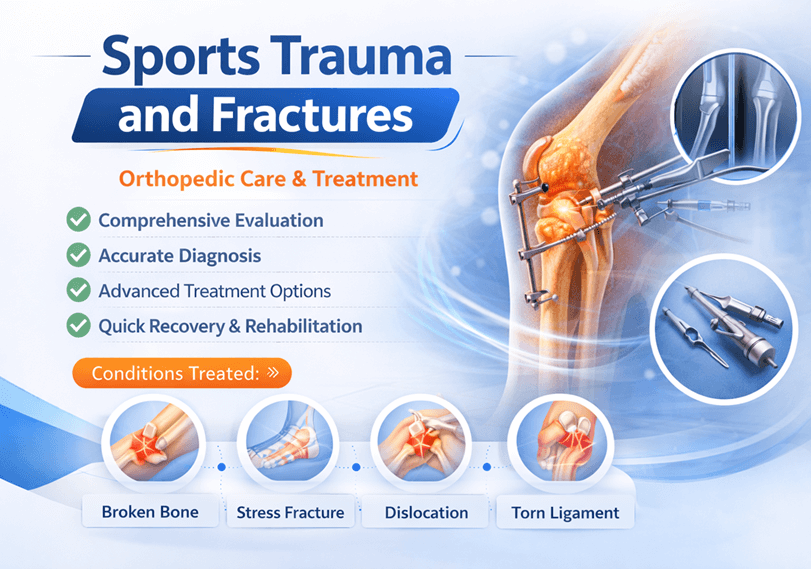
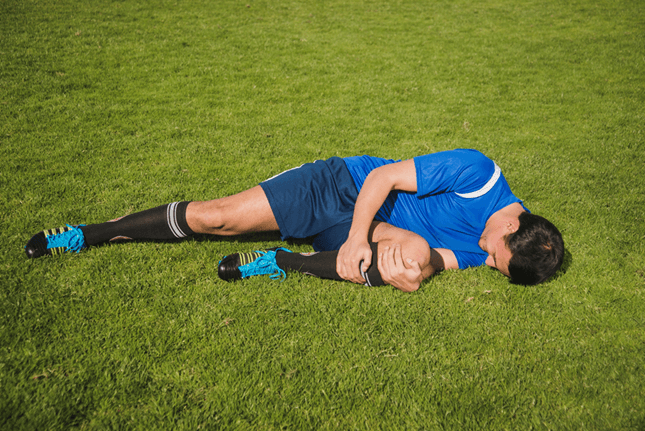
A sports injury refers to any injury that occurs during physical activity, exercise, or sports participation. It can affect muscles, ligaments, tendons, bones, or joints. Sports injuries may happen suddenly (acute injury) or develop gradually over time due to overuse.
Common types of sports injuries include:
- Sprains and strains
- Ligament tears (like ACL injuries)
- Fractures
- Dislocations
- Tendinitis
- Muscle tears
- Shin splints
Sports injuries can affect anyone — from professional athletes to fitness enthusiasts and even children playing outdoor games.
Common Causes of Sports Injuries
- Improper warm-up or stretching
- Poor training techniques
- Overtraining or repetitive movements
- Sudden increase in activity level
- Lack of proper protective equipment
- Weak muscles or joint instability
Common Symptoms
- Pain (mild to severe)
- Swelling
- Bruising
- Restricted movement
- Joint instability
- Difficulty bearing weight
If pain persists for more than a few days or swelling increases, medical evaluation is important.
Do’s of Sports Injury
1. Follow the R.I.C.E Method (First 24–48 Hours)
- Rest – Avoid putting weight or stress on the injured area
- Ice – Apply ice for 15–20 minutes every 2–3 hours
- Compression – Use an elastic bandage to reduce swelling
- Elevation – Keep the injured area raised above heart level
2. Seek Early Medical Advice
Early diagnosis prevents minor injuries from becoming major problems.
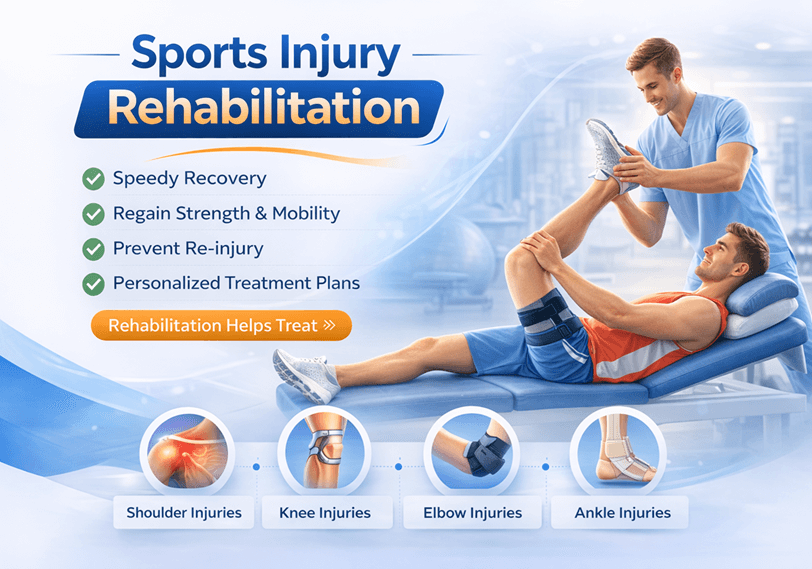
3. Follow Physiotherapy Properly
Rehabilitation exercises help restore strength, flexibility, and stability.
4. Use Proper Support
Use braces, knee caps, ankle supports, or recommended protective gear.
5. Gradually Return to Activity
Return to sports only after complete recovery and medical clearance.
Don’ts of Sports Injury
1. Don’t Ignore Pain
Pain is your body’s warning sign. Ignoring it may worsen the injury.
2. Don’t Continue Playing Immediately
Continuing activity after injury can cause permanent damage.
3. Don’t Apply Heat Immediately
Avoid hot packs in the first 48 hours as they may increase swelling.
4. Don’t Self-Medicate Excessively
Painkillers may hide symptoms and delay proper treatment.
5. Don’t Skip Rehabilitation
Stopping physiotherapy midway increases risk of re-injury.
Sports Injury
Physiotherapy & Rehabilitation