-
Pawar HospitalPawar Hospital (+91) 9175898623
-
Spire HospitalSpire Hospital (+91) 9175983868
-
Book AppointmentBook Appointment
Dr. Gaurav Pawar is a well established Hip and Knee joint replacement and sports injury (Arthroscopy) surgeon. He has eight years of experience in Trauma & Orthropaedics and has gained considerable knowledge and espertise in this field during this period. He has also worked in Trauma and Orthopaedics in the NHS system in UK for 3 years at reputed hospitals like Royal Free Hospital,London, Chase Farm Hospital, London and Tameside Hospital, Greater Manchester. He has performed numerous joint replacement and arthroscopy surgeries during this period and is well versed with the latest surgical techniques. He has also presented and published many papers at national and international stages.
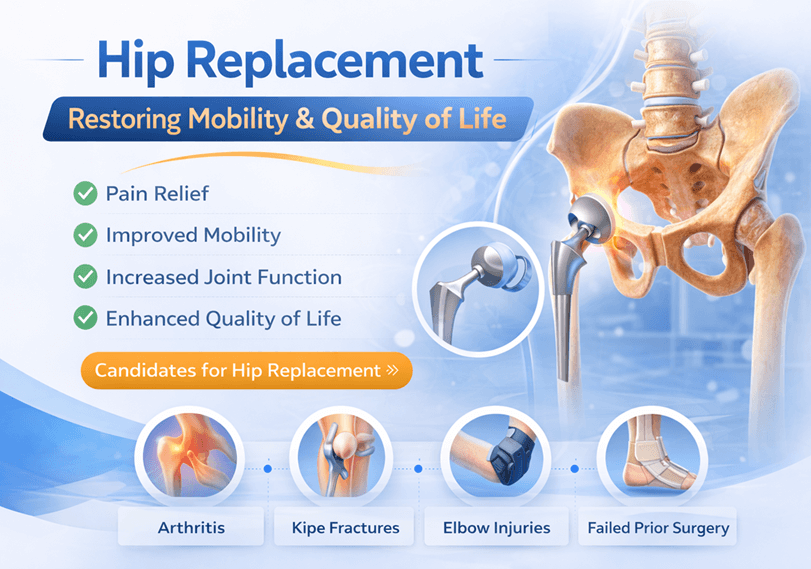
Hip Replacement
Total Hip Replacement
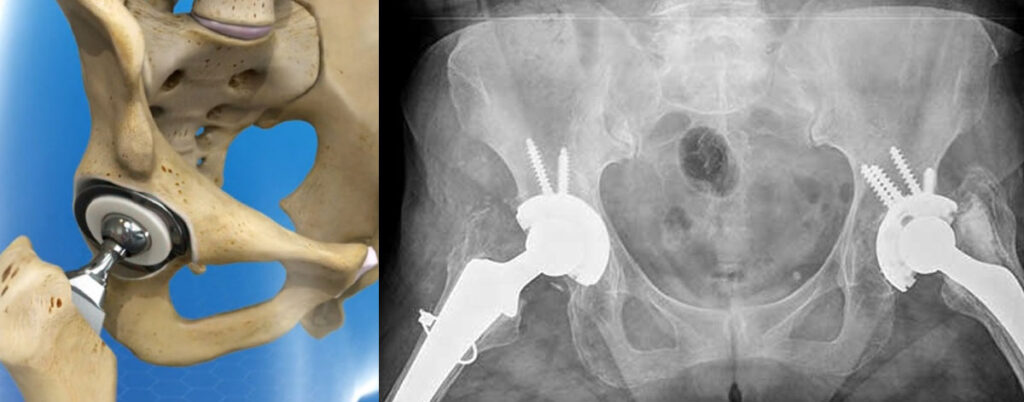
Total Hip Replacement (THR) is a surgical procedure in which the damaged or diseased hip joint is replaced with an artificial prosthesis. It is one of the most common and successful orthopedic surgeries performed to relieve pain and restore function in individuals with severe hip joint conditions. Total hip replacement is typically recommended for patients who have:
- Osteoarthritis: A degenerative joint disease that occurs when the protective cartilage in the hip joint wears down over time, leading to pain and limited mobility.
- Rheumatoid Arthritis: An autoimmune disease that causes inflammation and damage to the synovium, the lining of the joint, leading to pain, swelling, and joint deformity.
- Avascular Necrosis: A condition in which the blood supply to the femoral head (the ball-shaped end of the thigh bone) is disrupted, causing bone death and eventual collapse of the hip joint.
- Hip Fractures: Severe fractures in the hip joint that cannot be effectively repaired with other surgical methods.
The Total Hip Replacement Procedure:
- Anesthesia: The procedure is performed under general anesthesia or regional anesthesia, depending on the patient’s overall health and the surgeon’s preference.
- Incision: The surgeon makes an incision over the hip joint to access the affected area.
- Removal of Damaged Bone and Cartilage: The damaged portions of the femoral head and acetabulum (the hip socket) are carefully removed to prepare the joint for the prosthesis.
- Prosthesis Placement: The artificial hip joint components are then inserted. The prosthesis typically consists of a metal stem that is inserted into the femur (thigh bone), a metal or ceramic ball that replaces the femoral head, and a plastic or metal socket that replaces the acetabulum.
- Closing Incision: After the prosthesis is securely in place, the incision is closed with stitches or staples.
Do's & Don't in Hip Replacement Surgery
Before and after hip replacement surgery, there are important do’s and don’ts to consider for a successful procedure and smooth recovery. Following these guidelines can help minimize complications and promote optimal healing:
Do's for Hip Replacement Surgery
- Follow Preoperative Instructions: Adhere to all preoperative instructions given by your surgeon and healthcare team. This may include fasting before surgery, stopping certain medications, and attending preoperative education sessions.
- Inform About Medical History: Provide your surgeon with a complete and accurate medical history, including all medications, allergies, and past surgeries.
- Prepare Your Home: Before the surgery, arrange your home to make it more accessible and safe for post-operative recovery. Remove trip hazards, secure handrails, and consider using assistive devices like a walker or crutches.
- Practice Physical Therapy Exercises: Preoperative exercises recommended by your physical therapist can help strengthen your hip and improve mobility before surgery. This can contribute to a smoother recovery.
- Communicate with Your Healthcare Team: If you have any concerns or questions, don’t hesitate to communicate with your surgeon, nurses, or physical therapist. Understanding the process and knowing what to expect can alleviate anxiety.
Don'ts for Hip Replacement Surgery
- Don’t Ignore Infections or Illness: If you develop an infection or illness before the scheduled surgery, inform your healthcare team immediately. In some cases, surgery may need to be postponed until you have fully recovered.
- Don’t Smoke: If you smoke, it’s essential to quit before hip replacement surgery. Smoking can interfere with healing and increase the risk of complications.
- Don’t Overdo Physical Activity: Avoid high-impact exercises or activities that may put excessive stress on your hip joint before surgery. This can worsen the condition and delay healing.
- Don’t Ignore Medication Instructions: Follow your surgeon’s advice regarding medications before surgery. Some medications, such as blood thinners, may need to be adjusted or temporarily stopped.
- Don’t Eat or Drink Before Surgery: Follow the fasting guidelines provided by your healthcare team to prevent potential complications during anesthesia.
Partial Hip Replacement
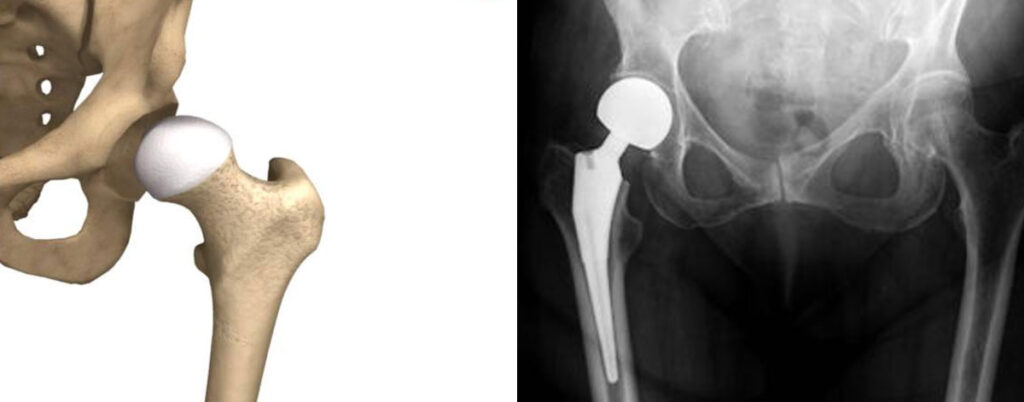
Partial hip replacement is commonly used in the following situations:
- Hip Fractures: In cases where the femoral neck or head is fractured, especially in elderly individuals with weakened bones, a partial hip replacement may be preferred over total hip replacement.
- Revision Hip Fractures : Incases of failed hip fracture fixation, partial hip can be considered.
- Some Hip Joint Infections: In certain cases of hip joint infections, removing and replacing the damaged femoral head may be an appropriate treatment option.
The Partial Hip Replacement Procedure:
- Anesthesia: The procedure is usually performed under general anesthesia or regional anesthesia.
- Incision: The surgeon makes an incision over the hip joint to access the femoral head.
- Removal of the Femoral Head: The damaged femoral head is carefully removed from the femur.
- Prosthesis Placement: A metal or ceramic ball component is then inserted into the femur to replace the removed femoral head. The prosthetic femoral head is attached to a stem that is anchored into the femur.
- No Changes to the Acetabulum: Unlike total hip replacement, the acetabulum is not replaced in partial hip replacement since it is assumed to be healthy and functional.
Do's for Partial Hip Replacement
- Follow Pre-operative Instructions: Adhere to your surgeon’s pre-operative guidelines, which may include fasting instructions, medication restrictions, and hygiene protocols.
- Prepare Your Home: Make sure your home is safe and accessible for your recovery, with clear pathways and assistive devices like a walker or cane.
- Comply with Medications: Take prescribed medications, including pain relievers and antibiotics, as directed to manage pain and prevent infections.
- Keep the Incision Clean and Dry: Follow your surgeon’s instructions on caring for the surgical incision to prevent infections and promote proper healing.
- Control Swelling and Pain: Use ice packs and elevation to control swelling, and take pain medications as prescribed to manage discomfort.
Don'ts for Partial Hip Replacement
- Overexert Yourself: Avoid putting excessive stress on the new hip joint during the early stages of recovery. Follow your physical therapist’s guidelines and gradually increase activity as advised.
- Neglect Physical Therapy: Continue with your physical therapy sessions diligently to ensure a successful recovery and improve hip function.
- Ignore Signs of Infection: If you experience signs of infection, such as fever, increased redness, swelling, or drainage from the incision, contact your surgeon immediately.
- Engage in High-Impact Activities: Avoid high-impact exercises or activities that may put excessive strain on the hip joint.
- Sit for Prolonged Periods: Avoid sitting or lying in one position for too long to prevent stiffness and discomfort.
Complex Hip Replacement
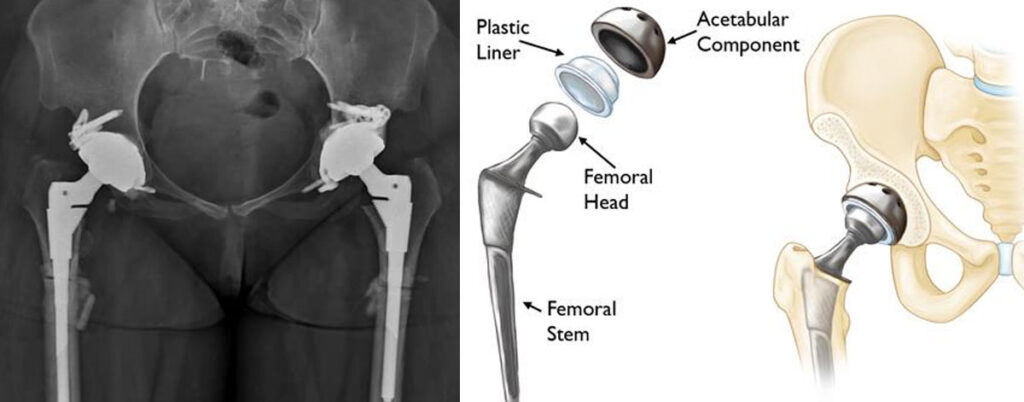
Complex hip replacement, also known as revision hip replacement, refers to a more challenging and intricate surgical procedure in which a previously implanted artificial hip joint is removed and replaced with new components. This type of surgery is performed when a primary hip replacement has failed or needs to be revised due to various reasons, such as:
- Aseptic Loosening: Over time, the artificial components of the hip joint may become loose from the surrounding bone, leading to pain and instability.
- Implant Wear and Tear: The prosthetic components in the original hip replacement may wear out, causing pain, inflammation, and limited mobility.
- Infection: In some cases, infections may develop around the hip implant, requiring its removal and replacement.
- Fracture: Fractures around the hip implant may occur, necessitating revision surgery.
- Dislocation: Dislocation of the artificial hip joint can occur, leading to instability and the need for revision.
- Periprosthetic Joint Infection (PJI): Persistent or recurrent infections around the hip prosthesis may require revision surgery to address the infection and replace the implant.
Complex hip replacement surgery is more challenging than primary hip replacement due to several factors, such as the presence of scar tissue, bone loss, and potential damage to surrounding structures. The surgeon may need to use specialized implants, bone grafts, or other techniques to address the specific issues encountered during the procedure.
The Complex Hip Replacement Procedure:
- Anesthesia: The surgery is typically performed under general anesthesia or regional anesthesia.
- Incision: The surgeon makes an incision over the hip joint to access the previously implanted components.
- Removal of Previous Implants: The old or damaged artificial hip components are carefully removed from the femur and acetabulum.
- Addressing Bone Loss: If there is significant bone loss around the hip joint, the surgeon may use bone grafts or special implants to reconstruct the bone and provide stability for the new prosthesis.
- Placement of New Implants: The new hip prosthesis is then inserted, typically consisting of a stem, a femoral head, and a socket. The type of prosthesis used depends on the patient’s specific condition and the surgeon’s judgment.
Do's for Complex Hip Replacement
- Follow Pre-operative Instructions: Adhere to your surgeon’s pre-operative guidelines, which may include fasting instructions, medication restrictions, and hygiene protocols.
- Prepare Your Home: Make sure your home is safe and accessible for your recovery, with clear pathways and assistive devices like a walker or cane.
- Comply with Medications: Take prescribed medications, including pain relievers and antibiotics, as directed to manage pain and prevent infections.
- Keep the Incision Clean and Dry: Follow your surgeon’s instructions on caring for the surgical incision to prevent infections and promote proper healing.
- Control Swelling and Pain: Use ice packs and elevation to control swelling, and take pain medications as prescribed to manage discomfort.
Don'ts for Complex Hip Replacement
- Overexert Yourself: Avoid putting excessive stress on the new hip joint during the early stages of recovery. Follow your physical therapist’s guidelines and gradually increase activity as advised.
- Neglect Physical Therapy: Continue with your physical therapy sessions diligently to ensure a successful recovery and improve hip function.
- Ignore Signs of Infection: If you experience signs of infection, such as fever, increased redness, swelling, or drainage from the incision, contact your surgeon immediately.
- Engage in High-Impact Activities: Avoid high-impact exercises or activities that may put excessive strain on the hip joint.
- Sit for Prolonged Periods: Avoid sitting or lying in one position for too long to prevent stiffness and discomfort.
Sports Injury
Physiotherapy & Rehabilitation